


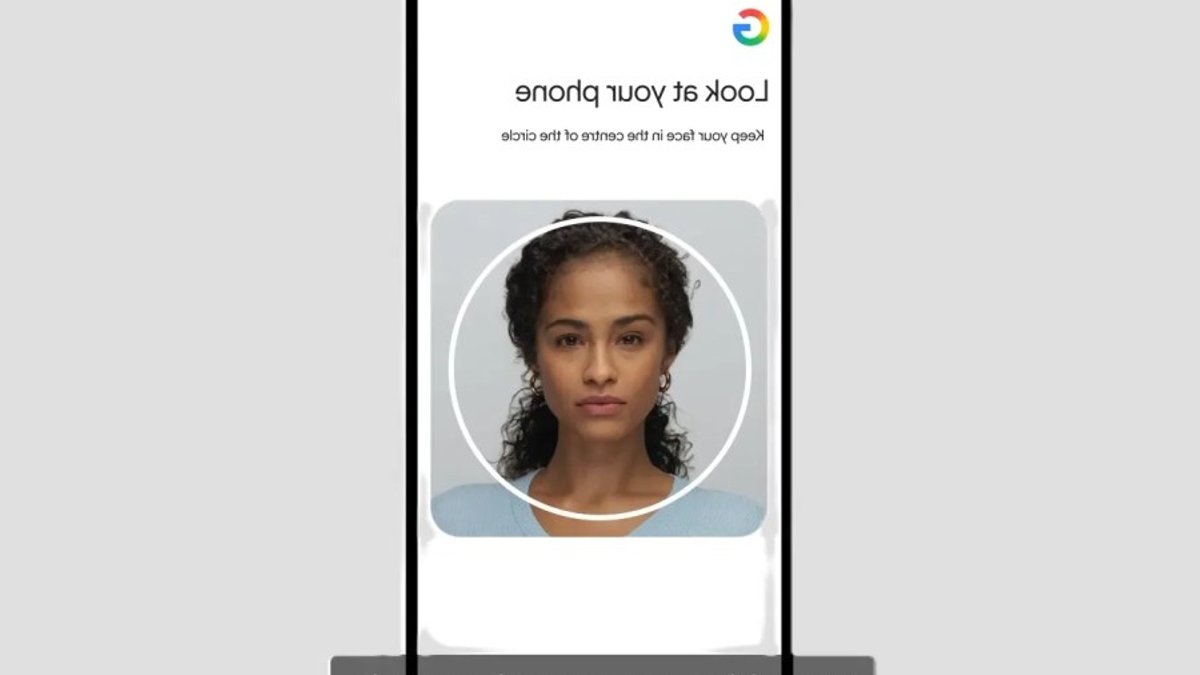
Google has added a selfie video verification option to its account recovery toolkit, allowing users to prove their identity when they cannot reach a trusted phone or computer.
How the new verification works
Eligible users can access the selfie video setup on a dedicated sign‑in page while logged into their Google Account. The on‑screen guide asks the user to look at the device’s camera and perform a series of head movements, capturing the face from several angles. The resulting clip is stored with consent and encrypted at rest.
If the user later loses access, the service may prompt a fresh selfie video during the recovery flow. The system then compares the new recording with the one saved during setup. The comparison includes live‑movement checks designed to rule out static photos, prerecorded clips or deepfake attempts. Standard security signals also run in parallel to flag any suspicious activity.
Users can delete the stored video at any time from their account settings, and the footage is used solely for sign‑in and recovery unless the user explicitly shares it elsewhere.
Related: How Cape Winelands Airport Will Redefine Africa’s Tech and Aviation Hubs
Why Google introduced the feature
The move addresses a growing need for flexible sign‑in methods as people rely on multiple devices. “Your Google Account holds a lot of valuable information, from cherished photos to important emails and documents,” the company’s statement reads. “We always want to make sure that information is private, secure, and readily available to you, which is why we recommend setting up multiple sign‑in methods.”
The selfie video option builds on earlier efforts such as passkeys and recovery contacts. By adding a biometric layer that can be recorded on a smartphone or laptop, Google hopes to reduce reliance on text messages or backup codes, which can be lost or intercepted.
According to the filing, the video is encrypted while stored and can be removed at the user’s discretion. The provider also claims the live‑movement checks help detect impersonation attempts that rely on deepfakes, a concern that has risen alongside advances in synthetic media.
In practice, the feature could make it easier for people who travel frequently or who have limited access to a stable phone line to regain entry to their accounts. For users who keep devices in separate locations, a quick selfie might be the only viable way to prove ownership without waiting for a code delivery.
Related: Latex Suit: Unveiling the Allure of Sensory Couture
Setting up and using selfie video verification
To enable the feature, users should visit the selfie sign‑in page while signed in and follow the prompts. After the initial recording, the video sits in the account’s security section and can be reviewed or deleted later.
If an account lockout occurs, the recovery screen will offer the selfie video option, assuming eligibility. The user records a new clip, repeats the guided head motions, and submits it for verification. Successful matches restore access, while mismatches trigger additional security steps, such as sending a verification code to a trusted device.
Google notes that the system applies its usual security checks alongside the video comparison, meaning the selfie verification does not replace other safeguards but adds another layer.
Security remains a top priority.

